Machine Learning and Predictive Analytics
Classification, forecasting, risk modelling, and robust evaluation.
Our work combines methodological research with applied studies in environmental intelligence, public-sector decision support, text analytics, and computer vision.
Projects may sit across more than one theme. The aim is not to separate methods, but to connect them around well-defined questions, credible evidence, and useful outcomes.
Classification, forecasting, risk modelling, and robust evaluation.
Pattern discovery, clustering, representation, and interpretable structure in data.
Topic discovery, sentiment, classification, information extraction, and language models.
Image classification, visual monitoring, satellite data, and multimodal analysis.
Transparency, bias, validation, human oversight, and responsible deployment.
Geographic data, environmental monitoring, public safety, and evidence-based priorities.
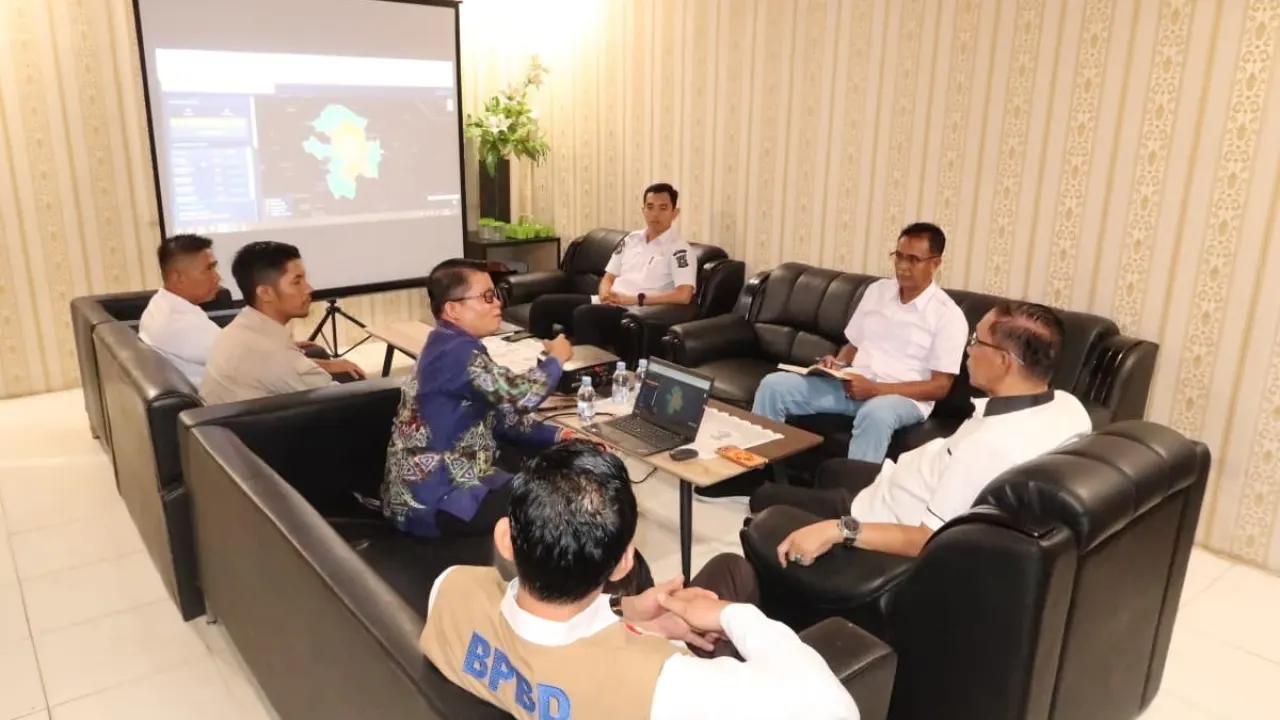
Kampar Karhutla Watch is a data-driven system developed to support early monitoring and mitigation of forest and land fires in Kampar Regency. Funded by Universitas Riau through the 2026 DIPA research program, the project is being developed in partnership with BPBD Kampar.
Kampar Karhutla Watch began as a research initiative on hotspot monitoring, weather conditions, remote sensing, and early warning for forest and land fires. The system brings together hotspot data, weather information, air quality, peatland conditions, administrative boundaries, and spatial analysis to identify areas that require priority attention.
In 2026, the project received DIPA research funding from Universitas Riau for further development and testing. The research is led by Assoc. Prof. Dr. Rahmad Kurniawan from the KJFD:MLKD, Department of Computer Science, Faculty of Mathematics and Natural Sciences, Universitas Riau.
The project is conducted in partnership with the Regional Disaster Management Agency of Kampar Regency, or BPBD Kampar. This collaboration supports data exchange, system evaluation, disaster education, and the practical use of research results.
Kampar Karhutla Watch is expected to strengthen preparedness, support field monitoring, and provide clear information for decision-making in forest and land fire mitigation. It also represents the contribution of machine learning and knowledge discovery research to solving real disaster management problems.
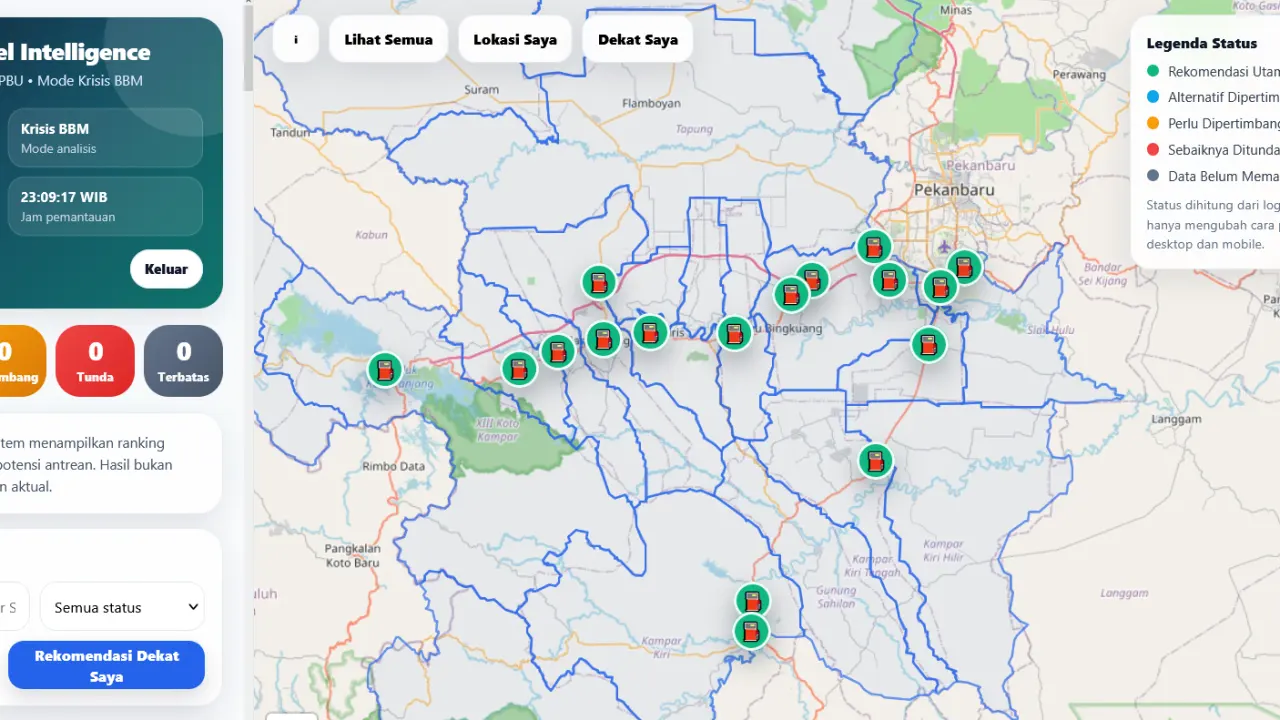
Kampar Fuel Intelligence is a data-driven system that estimates queue potential at fuel stations in Kampar Regency based on traffic conditions around each location. It provides risk levels, station rankings, and map-based recommendations to help users identify more suitable refuelling locations.
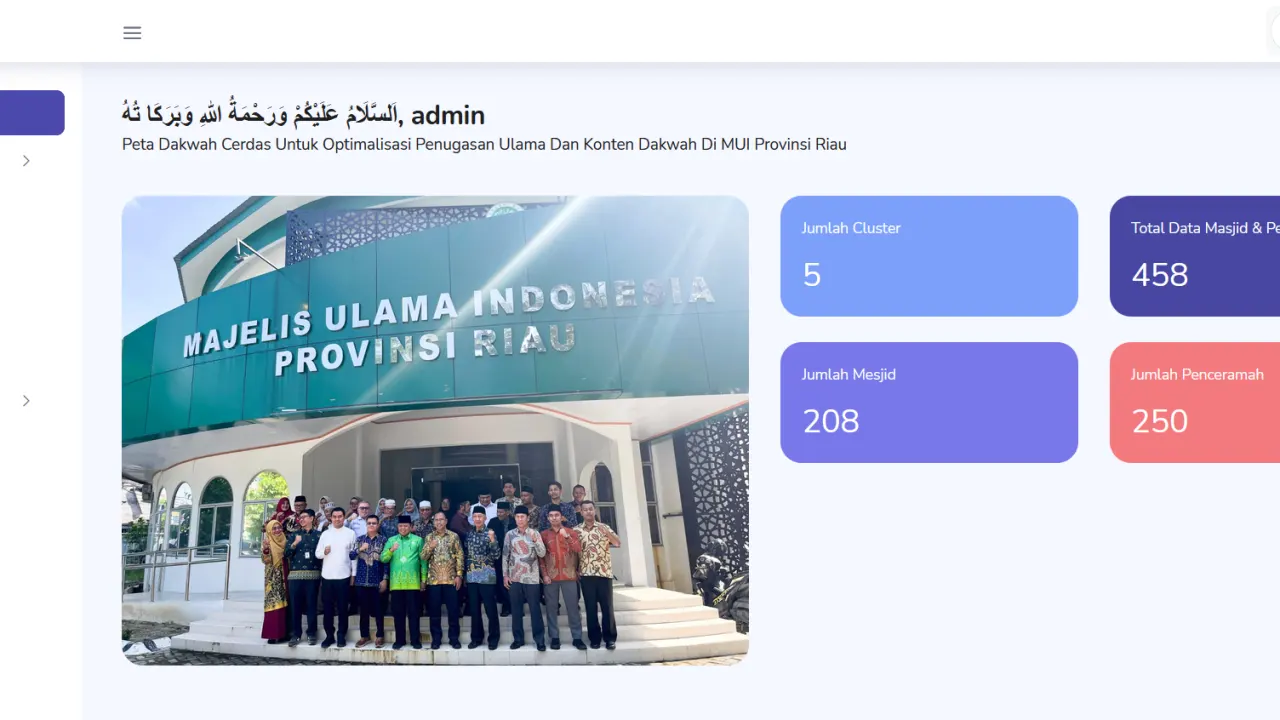
Peta Dakwah Cerdas (PDC) is an intelligent mapping system developed to support preacher assignments and the preparation of relevant da’wah content. It connects mosque locations, preacher profiles, local social issues, and weather information to help plan more targeted da’wah activities.
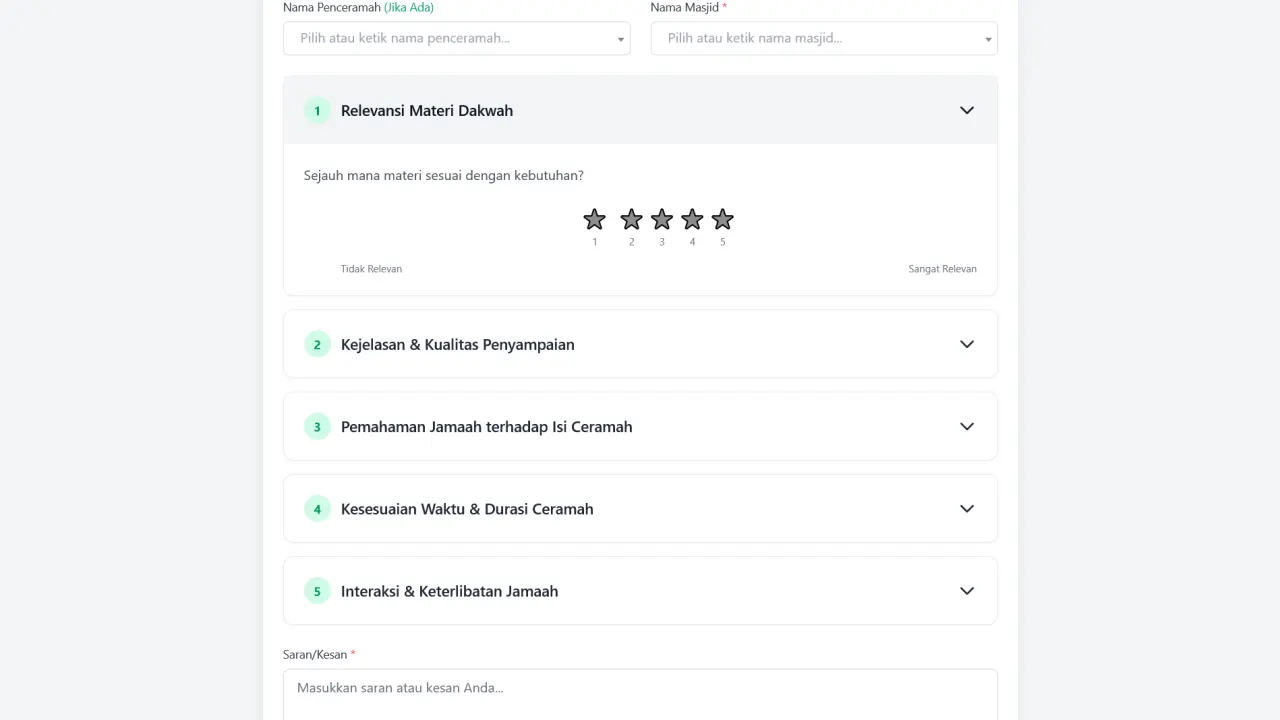
Intelligent Da’wah Evaluation is an AI-based system that analyses congregation feedback to identify key sermon topics and audience sentiment. Developed through Universitas Riau’s 2025 DIPA Research Product and Prototype Scheme in partnership with MUI Riau, it supports more objective and data-driven evaluation of da’wah activities.